1. Understand Your Purpose
Before selecting a firearm, clearly define why you want one. Different firearms are designed for different uses:
-
Home defense: Reliability, ease of use, and manageable recoil are critical.
-
Personal protection: Size, comfort, and secure storage options matter.
-
Sport shooting or range practice: Accuracy, ergonomics, and ammunition availability are important.
-
Hunting: Caliber, range, and legal requirements vary by game and location.
Knowing your purpose helps narrow your options and prevents costly mistakes.
2. Learn the Basics of Firearm Types
First-time buyers should understand the main firearm categories:
-
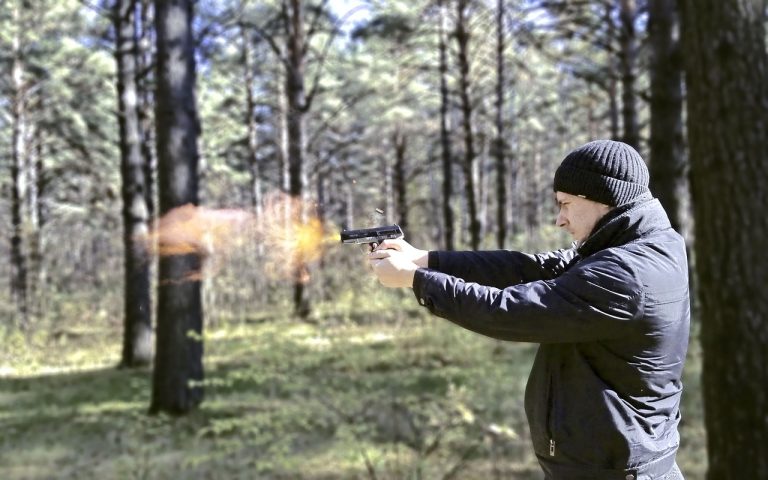
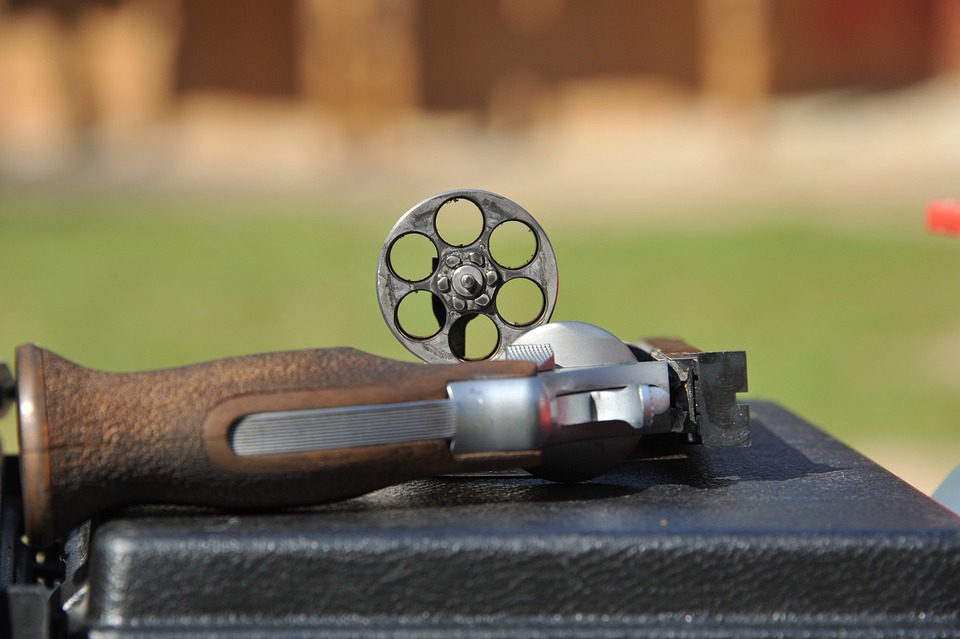
Handguns: Compact and versatile, commonly chosen for personal protection.
-
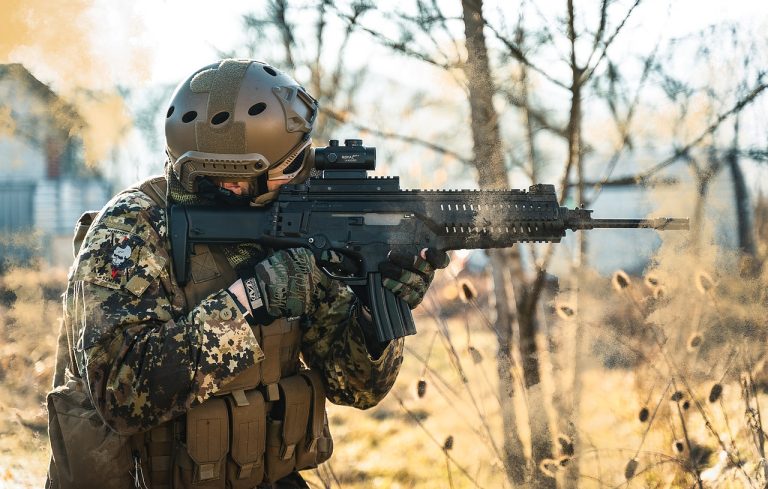
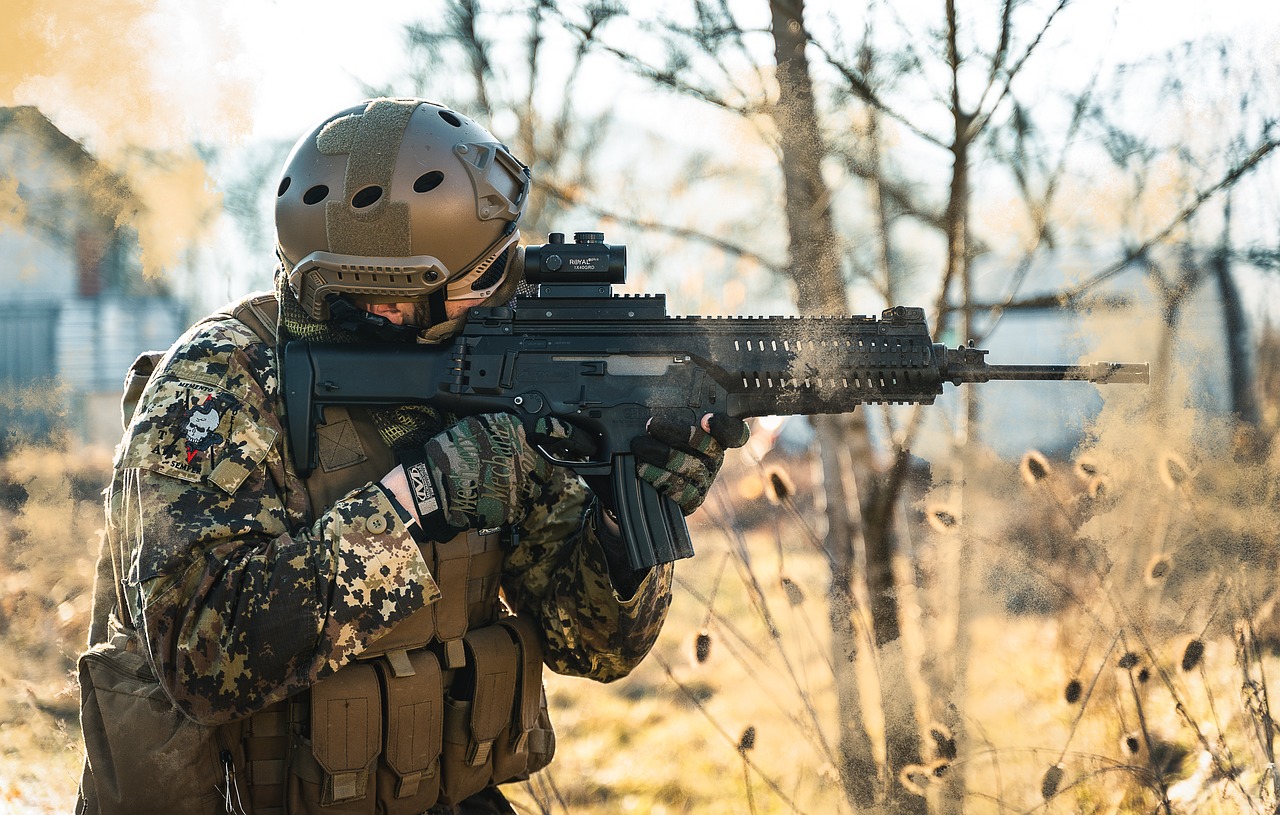
Rifles: Known for accuracy and range, often used for hunting and sport shooting.
-
Shotguns: Popular for home defense and hunting due to their power and simplicity.
Each type has its advantages and considerations. Our team is always available to help explain the differences.
3. Consider Comfort and Fit
A firearm should feel comfortable and controllable in your hands. Factors to consider include:
-
Grip size and shape
-
Weight and balance
-
Ease of handling
A well-fitted firearm improves accuracy and reduces fatigue, especially for new shooters.
4. Safety Comes First
Safety should never be an afterthought. As a responsible firearm owner, you should:
-
Learn proper firearm handling rules
-
Invest in a secure storage solution (such as a gun safe or lock)
-
Keep firearms inaccessible to unauthorised users
Many accidental incidents can be avoided through education and proper storage.
5. Budget Beyond the Firearm
The cost of owning a firearm goes beyond the initial purchase. Plan for additional expenses such as:
-
Ammunition
-
Secure storage (safes or lock systems)
-
Cleaning and maintenance supplies
-
Training or safety courses
Investing in quality accessories enhances safety and longevity.
6. Training and Education Matter
Owning a firearm responsibly includes proper training. First-time buyers are strongly encouraged to:
-
Take a certified firearm safety course
-
Practice regularly at a shooting range
-
Stay informed about best practices and laws
Confidence and competence come from education and experience.
Final Thoughts
Buying your first firearm is a personal journey that should be approached with care, responsibility, and knowledge. Taking the time to understand your needs, learn the basics, and prioritise safety will help you make a confident and informed decision.
If you have questions or need guidance, our experienced team is here to help every step of the way.